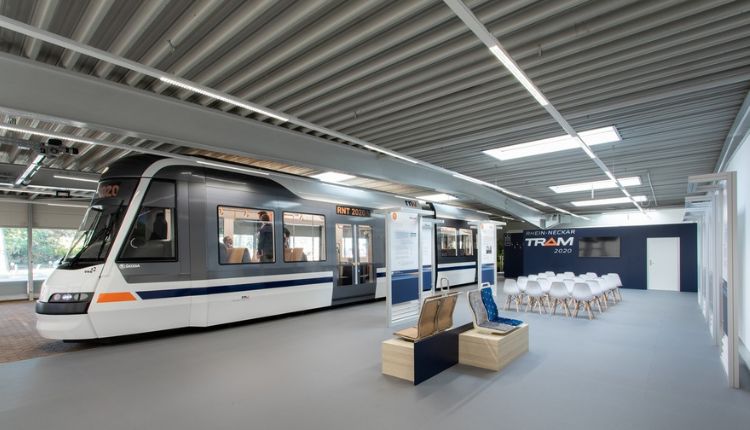
In the vast landscape of transportation, real way transportation stands as a cornerstone of connectivity, fostering the movement of people and goods across continents and beyond. From the rhythmic chug of trains to the sleek glide of trams, real way transportation intertwines with the fabric of modern society, offering efficiency, reliability, and sustainability. Let’s embark on a journey through the realms of real way transportation, delving into its intricacies, innovations, and impacts.
The Evolution of Real Way Transportation: From Steam Engines to High-Speed Rails
Steam-Powered Beginnings
Real way transportation traces its roots back to the 19th century when steam locomotives pioneered the era of mass transit. The industrial revolution sparked the development of railways, birthing a mode of transportation that revolutionized commerce and travel. Steam-powered trains traversed vast distances, linking cities, towns, and rural areas, catalyzing economic growth and societal progress.
Electrification and Modernization
As technology advanced, the electrification of railways emerged as a pivotal milestone in the evolution of real way transportation. Electric trains offered enhanced speed, efficiency, and environmental sustainability compared to their steam counterparts. With the dawn of the 20th century, rail systems underwent extensive modernization, incorporating innovations such as high-speed rails, magnetic levitation (maglev) trains, and automated signaling systems.
Advantages of Real Way Transportation: Efficiency, Reliability, and Sustainability
Efficiency in Movement
One of the primary advantages of real way transportation is its inherent efficiency in moving large volumes of passengers and freight. Rail networks boast high capacity and throughput, facilitating the seamless flow of people and goods across vast distances. By utilizing dedicated tracks and rights-of-way, trains can bypass congested roadways, mitigating traffic congestion and reducing travel times.
Reliability and Punctuality
Real way transportation is renowned for its reliability and punctuality, offering passengers and shippers a dependable mode of transit. Unlike other forms of transportation susceptible to weather disruptions or traffic congestion, trains operate on fixed schedules, ensuring consistent arrival and departure times. This reliability is particularly valuable for businesses reliant on timely delivery of goods and commuters seeking a stress-free travel experience.
Environmental Sustainability
In an era increasingly focused on sustainability, real way transportation shines as an environmentally friendly mode of transit. Electric trains produce significantly lower emissions than automobiles or airplanes, contributing to cleaner air and reduced carbon footprint. Moreover, the efficiency of rail transport reduces energy consumption per passenger or ton-mile, making it a more sustainable option for long-distance travel and freight hauling.
Innovations Shaping the Future of Real Way Transportation
High-Speed Rails
The advent of high-speed rail represents a paradigm shift in real way transportation, offering unprecedented velocity and connectivity between urban centers. High-speed rail systems, characterized by trains traveling at speeds exceeding 250 kilometers per hour (155 miles per hour), reduce travel times and enhance accessibility, fostering economic integration and regional development.
Maglev Technology
Magnetic levitation (maglev) trains epitomize cutting-edge innovation in real way transportation, utilizing magnetic fields to propel trains at high speeds with minimal friction. Maglev technology eliminates the need for traditional wheels and tracks, resulting in smoother rides, reduced maintenance costs, and enhanced safety. As research and development in maglev technology continue, the potential for ultra-fast, energy-efficient transportation networks becomes increasingly feasible.
Real Way Transportation Across the Globe: A Network of Connectivity
Real way transportation transcends geographical boundaries, linking distant regions and fostering cultural exchange and economic cooperation. From the Trans-Siberian Railway traversing the vast expanse of Russia to the Eurostar connecting London and Paris beneath the English Channel, rail networks serve as conduits of globalization, facilitating trade, tourism, and diplomacy.
Challenges and Opportunities Ahead
While real way transportation offers numerous benefits, it also faces challenges in the 21st century. Aging infrastructure, funding constraints, and competition from other modes of transit pose significant hurdles to the modernization and expansion of rail networks. However, with strategic investments, technological innovation, and policy support, real way transportation can overcome these challenges and emerge as a cornerstone of sustainable mobility in the future.
Conclusion
Real way transportation stands as a testament to human ingenuity and progress, shaping the way we connect, commute, and conduct business in an increasingly interconnected world. From its humble origins in steam-powered locomotives to the sleek maglev trains of tomorrow, railways continue to evolve, adapt, and redefine the landscape of transportation. As we navigate the complexities of the modern era, real way transportation remains steadfast in its commitment to efficiency, reliability, and sustainability, ensuring that the journey ahead is both prosperous and sustainable.